
The central drugs laboratories found 42 drug samples manufactured by various firms to be "not of standard quality (NSQ)" in its monthly drug alert for April, Union health ministry officials said on Thursday. Further, the state drug testing laboratories have identified 127 drug samples as NSQ, they said.

The petitioner failed to bring in evidence against Ranbaxy, said Supreme Court.
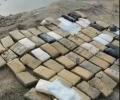
The Delhi government's Drugs Control Department dismantled an illegal medicine sale operation in Shahdara, seizing a significant quantity of drugs and expired items.
Alkem Labs was issued drug alerts twice last year -- in June and July -- for its drug Glimekem.

The Central Drugs Laboratories identified 60 drug samples as 'not of standard quality' in February, while state labs found 134 substandard samples. Investigations are underway for spurious drugs manufactured by unauthorised companies.
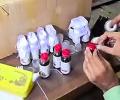
A new law is being proposed to grant statutory powers to the Central Drugs Standard Control Organisation to regulate the manufacture, distribution, and sale of drugs, medical devices, and cosmetics.
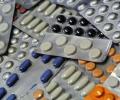
In a major crackdown against the manufacture of substandard drugs, central and state regulators conducted joint inspections at 76 pharma companies and cancelled the licences of 18 of them for producing spurious and adulterated drugs, official sources said on Tuesday.
More lucrative routinely prescribed drugs are at higher risk of failing quality standards
Rise in raids on illicit drug manufacturing units, alongside arrests for the production, sale, or distribution of spurious or adulterated drugs.

The World Health Organisation (WHO) has issued an alert against three "substandard" oral cough syrups identified in India and urged national regulatory authorities worldwide to immediately notify it if these are detected in their country.

A government hospital in Gwalior, Madhya Pradesh, is investigating a complaint about worms allegedly found in a bottle of Azithromycin antibiotic medicine given to a child. The entire stock has been sealed and sent for testing following the complaint.

Madhya Pradesh minister Narendra Shivaji Patel blames the Tamil Nadu government for the deaths of 20 children due to contaminated cough syrup, citing negligence in inspecting medicines. The Tamil Nadu government has banned the sale of the syrup and ordered its removal from the market. Congress leader Digvijaya Singh criticizes the food and drug department's administration.
The WHO will take a call on issuing a 'Global Medical Products Alert' on the cough syrup, Coldrif, after receiving an official confirmation from authorities here. The agency issues such alerts for substandard and contaminated medicines.
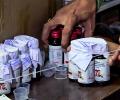
Madhya Pradesh Deputy Chief Minister Rajendra Shukla confirmed that 20 children have died after consuming contaminated cough syrup. An investigation is underway, and action has been taken against the manufacturer, doctor, and FDA officials.

The Supreme Court agreed to hear on Friday a public interest litigation (PIL) seeking inquiry and systemic reform in drug safety mechanisms in the wake of deaths of children in Madhya Pradesh and Rajasthan allegedly due to consumption of toxic cough syrups.
A special investigation team (SIT) has been formed in Madhya Pradesh to investigate the deaths of 14 children in Chhindwara, suspected to be linked to a toxic cough syrup. The investigation includes arrests, exhumations, and a ban on the implicated cough syrup.
Around 12 per cent of the drugs sold in the open market across the country are "sub-standard" and over 0.5 per cent are "spurious," a senior official of Union health ministry said in Lucknow.
The regulator had issued alerts in June and July of 2015.
Minister of State for Health Bharati Pravin Pawar said 642 prosecutions were launched for manufacturing, sale and distribution of spurious/adulterated drugs, while 262 persons were arrested.
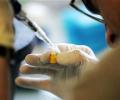
Oral paracetamol and another cough medicine manufactured by companies based in Mumbai and Punjab were found to be "sub-standard or found to be containing toxins", reports Sohini Das.

Indian pharmaceutical companies are stepping up their efforts to combat the problem of counterfeit drugs, employing a variety of strategies, from packaging innovations to engaging private investigation agencies. The stakes are high, as counterfeit medicines not only harm consumers but also tarnish the reputation of leading brands.

A notification of the revised Schedule M rules by the Ministry of Health and Family Welfare has elicited mixed responses from the pharma sector and industry observers. While the industry has welcomed the revision of rules, several analysts said that implementation and compliance can become a challenge for smaller pharmaceutical companies. The Schedule M of the Drugs and Cosmetics Rules specifies the good manufacturing practices (GMPs), which aim to ensure quality of drugs made in the country.

Various industry bodies have sought immediate government intervention through the imposition of anti-dumping duties, claiming India has seen a surge in imports of Chinese goods over the past two weeks.

The year was rich in content as far as Web series were concerned.

Amid the ongoing controversy over Tirupati laddu, Consumer Affairs Secretary Nidhi Khare on Monday said her department will consider additional measures to monitor ghee quality in the market only after receiving the Food Safety and Standards Authority of India (FSSAI) report.

The CBI probe was ordered following a recommendation by Delhi Lt Governor V K Saxena on the matter in December last year.
Substandard and fake drugs are rampant in India because of the highly fragmented industry.

A probe has been initiated by India's drug regulator after the World Health Organisation (WHO) issued an alert saying cough syrups manufactured by an Indian firm could potentially be linked to the death of children in The Gambia, official sources said.

The controversy has sparked reactions across states. The famous Mankameshwar temple in Uttar Pradesh has now banned offerings of 'prasad' bought by devotees from outside and said they can offer homemade 'prasad' or fruits.
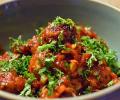
A civic body in North Goa has banned the sale of the popular street food 'Gobi Manchurian' at roadside stalls in its jurisdiction after concerns were raised about the unhygienic conditions in which the dish was prepared, an official said on Tuesday.
In the final part of a three-part series on America's war on substandard Indian generic drugs, Aziz Haniffa speaks about American doctors' contempt for drugs exported from India and the ineptitude of the US Food and Drug Administration to stop the menace.
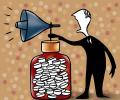
With an eye on improving quality assurance in the wake of increased global scrutiny on Indian pharma products, the Centre on Tuesday said that Schedule M of the Drugs and Cosmetics Act, 1940 will be made compulsory for small and medium scale manufacturers in a phased manner. Union Health Minister Mansukh Mandaviya has asked micro-small and medium enterprises in pharma manufacturing to move towards good manufacturing practices (GMP) through self regulation. "This will help in quality assurance and also reduce compliance burden," Mandaviya.
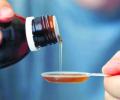
'The deaths of the children in the Gambia would batter India's reputation as the developing world's pharmacy.'
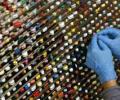
The PIL , filed by advocate M L Sharma, sought action against Ranbaxy for allegedly supplying substandard and adulterated drugs
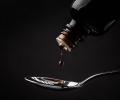
The WHO on Tuesday issued a product alert over contaminated syrup by an Indian manufacturer, warning that it is unsafe for use, especially in children, and may result in serious injury or death.
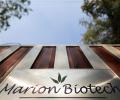
The manufacturing licence of Noida-based pharmaceutical firm Marion Biotech has been cancelled by the Uttar Pradesh authorities, according to officials.

A bench comprising Justices Sanjiv Khanna and Dipankar Datta took note of the submissions of lawyer Prashant Bhushan, appearing for NGOs 'Common Cause' and the Centre for Public Interest Litigation, that the plea needed to be listed for hearing at the earliest.
'Whichever company offers better incentives, the chemist would prefer it.'
Maya Chemtech India Pvt Ltd supplied propylene glycol used in Marion Biotech's cough syrups that were found to be "not of standard quality", according to the regulator.

Three employees of a Noida-based pharmaceutical firm, whose cough syrup is alleged to have led to the death of 18 children in Uzbekistan last year, were arrested on charges of manufacturing and sale of adulterated drugs, officials said.
 © 2026 Rediff.com - Advertise with us - Disclaimer - Privacy Policy - Sitemap - Feedback - About us - Terms of use - Grievances